
 If your dog seems unusually restless, pacing the house, unable to settle, or constantly changing positions, it is easy to assume they are bored, suffering from anxiety, or just having an “off” day. We've all felt that way. But restlessness can also be a sign of pain.
Dogs can't just tell us when they're in pain, and are very good at hiding their discomfort. Instead, symptoms often show up as subtle behavior changes or through body language. A dog who cannot get comfortable may not be anxious at all. They may simply be trying to manage pain.
Understanding the connection between restlessness and discomfort can help you step in sooner and relieve your dog's pain.
Table of Contents

Why Pain Causes Restlessness
When something hurts, the body instinctively looks for relief. In people, that might mean shifting in a chair, stretching, or rubbing a sore area. Dogs do something similar. Pain can cause restlessness for several reasons:
They cannot find a comfortable position. Joint pain, back pain, abdominal discomfort, or muscle soreness can make it hard to lie down comfortably. Your dog may circle repeatedly, lie down and get back up, or sigh and reposition over and over. You might notice this if they sleep on the bed with you or in your bedroom, or when relaxing in the evening and they are struggling to settle nearby.
Inflammation increases sensitivity. Inflamed joints or tissues are more sensitive to pressure. Even a soft bed can feel uncomfortable if there is underlying arthritis or injury.
Pain affects the nervous system. Ongoing discomfort changes how the nervous system processes sensations. Dogs may become more reactive, hypervigilant, or easily startled because their body is already on edge.
Internal pain can create generalized unease. Abdominal pain, dental pain, urinary discomfort, or other internal issues may not have an obvious location. Instead, your dog just appears unsettled, pacing or unable to relax.
Restlessness is often one of the earlier behavioral clues that something isn't right.
In senior dogs, restlessness is sometimes dismissed as “normal aging.” While aging itself is not a disease, it does increase the risk of conditions like arthritis, cognitive dysfunction, and chronic pain. If behavior changes appear gradually, they are especially easy to overlook.
If your dog seems restless along with other subtle posture or mobility changes, it is worth taking a closer look at the possibility of discomfort.
 How Much Sleep Do Dogs Normally Need?
Before deciding whether your dog is “too restless,” it helps to understand what normal sleep looks like.
Most healthy adult dogs sleep 12 to 14 hours per day on average. Larger breeds may sleep even more. That total includes overnight sleep plus daytime naps. Dogs naturally cycle between light sleep and deeper sleep throughout the day, especially when their environment is calm.
However, sleep needs change across life stages.
Puppies
Puppies sleep a lot. It is normal for a young puppy to sleep 18 to 20 hours per day. Their brains and bodies are developing rapidly, and sleep is essential for learning, growth, and nervous system development.
If a puppy is persistently restless, unable to settle after physical exercise or mental enrichment, or vocalizing frequently instead of resting, it is worth evaluating whether discomfort, digestive upset, or another medical issue could be contributing.
Senior Dogs
Senior dogs often sleep more overall, sometimes 14 to 18 hours per day. Aging joints, slower metabolism, and reduced stamina naturally increase rest time. Their sleep quality matters just as much as quantity.
How to Help a Restless Dog at Home
If you suspect mild discomfort, there are supportive steps you can take while monitoring your dog closely.
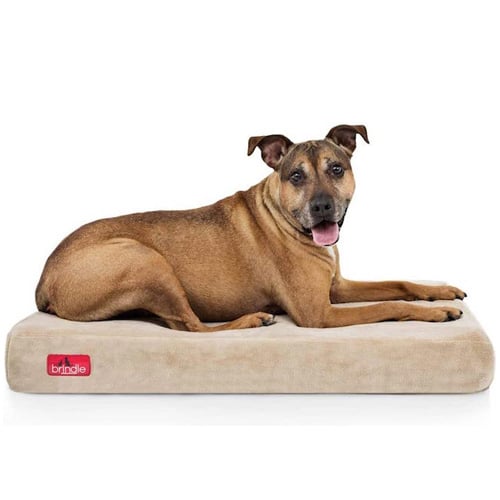
Provide supportive bedding.
Use a well-cushioned, orthopedic-style bed in a quiet area. Make sure it is easy to access without stairs or jumping.
Reduce strain on joints.
Use rugs or non-slip mats on slick floors. Limit high-impact activity. Consider a dog ramp for getting onto furniture or into vehicles. Get more tips for helping your dog's sore joints.
Keep routines predictable.
Dogs in pain often feel more secure with consistent daily routines. Predictability reduces stress, which can amplify pain perception.
Monitor patterns.
Keep a simple log of when restlessness happens. Is it worse at night? After exercise? Before potty breaks? Patterns can provide valuable clues for your veterinarian.
Review other subtle signs.
Restlessness rarely happens in isolation. Look for small changes in posture, mobility, grooming habits, or tolerance for handling. Learn more about other symptoms of pain in dogs here.
Avoid giving over-the-counter human pain medications unless your veterinarian specifically directs you to do so. Many common human medications are dangerous for dogs.
Simple adjustments at home can improve comfort, but they are not a substitute for a veterinarian's diagnosis if your dog's pain is ongoing.
If your dog's restlessness is caused by boredom, then you'll want to make sure your dog is getting enough exercise and add in more mental enrichment. If you suspect anxiety as the main cause of restlessness, read about ways to help reduce your dog's anxiety and medication options here.

When to Seek Veterinary Care
Contact your veterinarian if:
- Restlessness persists more than a day or two
- Your dog seems distressed or unable to settle at all
- There is sudden onset pacing with panting or trembling
- Your dog cries out, snaps, or reacts unusually to touch
- You notice changes in appetite, drinking, urination, or bowel movements
- There is visible swelling, limping, or injury
Sudden, intense restlessness can sometimes signal more urgent issues, such as abdominal pain or internal discomfort. If your dog appears acutely distressed, seek veterinary care promptly.
For chronic or mild restlessness, scheduling an exam is still important. Many painful conditions, especially arthritis and dental disease, can be managed much more effectively when addressed early.
Take This Quiz to See if Your Dog is in Pain
Not sure if what you're seeing could be related to pain? Our Dog Pain Quiz can help you take a closer look. It walks you through subtle changes in behavior, mobility, and daily habits that sometimes signal discomfort in dogs. Your results can also be helpful to share with your veterinarian when discussing your dog's comfort and care.
Restlessness is not always anxiety. Sometimes it is your dog’s quiet way of saying, “Something hurts.”
Because dogs instinctively hide pain, behavior changes are often our first clue. Paying attention to small shifts in how your dog rests, sleeps, and settles can make a meaningful difference in their comfort and quality of life. If something feels off, trust that instinct. A conversation with your veterinarian can help you determine whether discomfort is playing a role and what steps will best support your dog moving forward.