
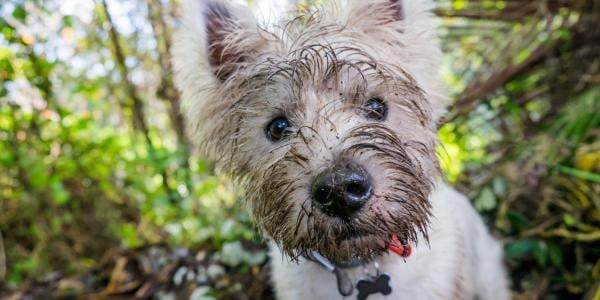
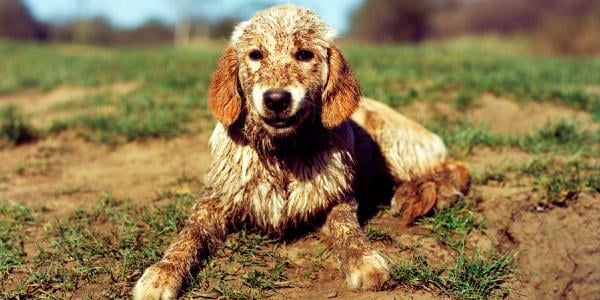
 Mud puddles can feel like part of the joy of having a dog. Watching them splash, dig, and roll around is often harmless fun. But what comes back into your home on their paws and fur is not always as innocent as it looks.
Mud and puddles can carry bacteria, parasites, and environmental contaminants that don't stay outside. Once your dog walks through the house, jumps on the couch, or climbs into bed, those substances spread to surfaces your family uses every day.
Understanding what's in mud and how to properly clean your dog afterward can make a big difference for both your dog's health and your household.
Table of Contents
What's Really in Mud?
Mud is more than just wet dirt. It's a mixture of soil, water, and organic material, which creates a perfect environment for microorganisms to thrive. Depending on where your dog has been walking, mud can contain bacteria like E. coli and Salmonella, urine and feces, parasite eggs, and residue from pesticides or fertilizer.
Dogs don't usually just step in mud and move on. They lick their paws, groom their legs, and track those particles across floors, furniture, and bedding. And they may jump on you to share the muddy joy. What starts outside can quickly come inside.
Why Mud Matters for You and Your Dog's Health
For many dogs, occasional exposure won't cause noticeable problems. But repeated contact, especially in high-traffic or contaminated areas like dog parks, can lead to issues over time.
When dogs ingest bacteria or parasites, it can cause stomach upset such as vomiting or diarrhea. Moist, dirty conditions around the paws can also irritate skin or contribute to infections between the toes. Dogs with allergies or sensitive skin often react more quickly, showing signs like redness, chewing, or excessive licking after muddy outings.
If your dog seems uncomfortable after being outside in wet or muddy conditions, it's worth considering whether something they picked up on their paws could be making it worse.
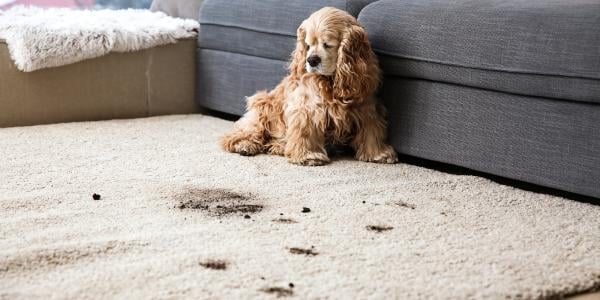
The bigger concern for many households is what mud brings inside.
Once contaminants are tracked across your floors, they can transfer to hands, clothing, children's toys, and surfaces that people come into contact with throughout the day. This is especially relevant for young children, who spend more time on the floor and are more likely to put their hands in their mouths. Their immune systems are still developing, which makes them more vulnerable to certain infections. Senior citizens and those with compromised immune systems are also at higher risk.
There is also a higher level of exposure in homes where dogs regularly jump on furniture or sleep in bed. Close contact increases the likelihood of bacteria transferring from your dog's paws or coat to your skin, your bedding, or your face.
This doesn't mean you need to stop sharing space with your dog. It just means that a little extra hygiene after muddy outings can go a long way.
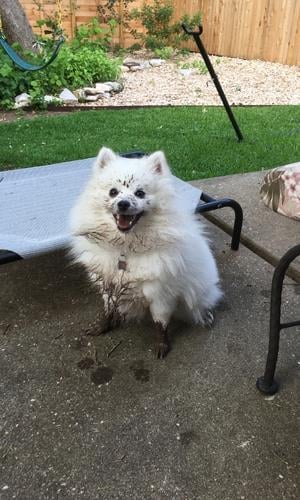
How to Clean Your Dog's Muddy Paws
Cleaning your dog's paws properly is about more than wiping off visible dirt. If you want to reduce what gets tracked into your home, the process needs to happen in two parts.
Step One: Remove Dirt & Debris
Rinsing your dog's paws with water or using a damp cloth helps loosen and wash away most of the mud. Pay attention to the spaces between toes and under nails, since that's often where mud collects. This step is important because any kind of disinfecting product is less effective if there's dirt in the way.
Step Two: Disinfect with Pet-Safe Options
Once your dog's paws are visibly clean, you can follow with a more thorough cleaning to reduce bacteria. Here are a few pet-safe products you can use:
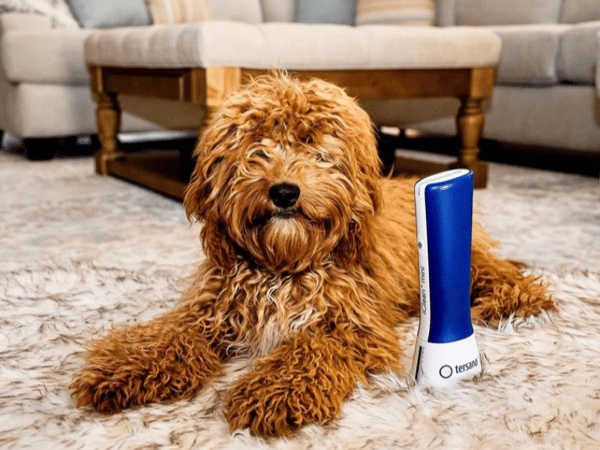
Tersano iClean Mini
This is a handheld option that produces ozonated water that helps reduce microorganisms like E.coli without relying on traditional chemical cleaners — making it pet-safe! Plus, it's proven to be 50% more effective than bleach. After step one, spray your dog's paws with the Tersano iClean Mini directly or onto a clean cloth, making sure to spray or wipe between the toes.
Learn more and get your own iClean Mini here.
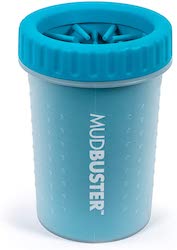
MudBuster Dog Paw Cleaner Cup
A paw-cleaning cup filled with Dawn dish soap and water can be a quick and easy way to thoroughly scrub the paws, especially to flush out debris trapped between the toes. This option is especially helpful for dogs who come muddy on a regular basis.
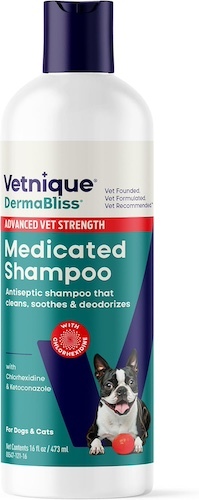
Antibacterial Dog Shampoo
Using a medicated antibacterial dog shampoo for your dog's paws can be especially helpful for dogs with sensitive skin or allergies, or if anyone in your home has a compromised immune system. This option from Vetnique is both antibacterial and anti-fungal.
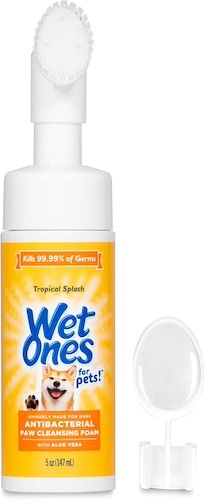
Foaming Paw Scrub
Give your dog a foaming "spaw" treatment with this antibacterial paw cleansing foam. The soft bristles help reach between the toes where debris tends to linger. Beyond killing germs and getting between toes, it also offers paw-softening qualities from aloe.
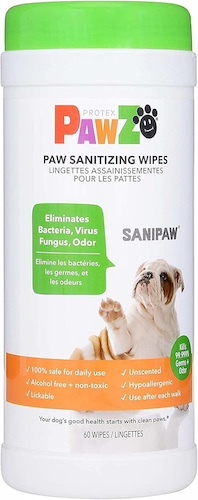
Alternative to a full scrub — PAWZ Dog Wipes
For quick, convenient cleanups, wipes like PAWZ Odor Eliminating Grooming Wipes can be a helpful addition to your routine. These wipes are made with pet-safe ingredients and are designed to lift dirt, reduce odor, and remove residue from your dog’s paws after walks. While they’re not a substitute for a full rinse when paws are heavily muddy, they work well as a follow-up step or for lighter messes, especially when you’re cleaning paws at the door or on the go.
Step Three: Thoroughly Dry
Any moisture left between toes, paw pads, or trapped near the skin by fur can lead to irritation, especially in dogs prone to skin issues. You don't want any hot spots developing! A good towel-dry with a clean towel is usually enough for most dogs, but a low-heat blow dry (if your dog will tolerate it) is the best option.
When Paw Cleaning Is Most Important
Not every walk requires a full paw cleaning afterward, but there are situations where it's worth being more consistent.
Wet weather, muddy trails, dog parks, and urban environments all increase the chances that your dog's paws are treading through bacteria or other nasty things. If your dog spends time on furniture, sleeps in your bed, or if you have young children at home, cleaning their paws should happen more frequently. The same applies if your dog has sensitive skin, allergies, or a history of infections.
In these chases, cleaning paws after coming inside becomes less about convenience and preference, and more about prevention.
Reducing the Amount of Mud in the First Place
You don't have to eliminate muddy adventures entirely, but a few small adjustments can help limit how much comes back inside with your dog.
Choosing walking routes with better drainage, avoiding areas with standing water, and keeping a few towels or setting up a cleaning station near your entryway can make all the difference. Trimming excess fur around the paw pads can also reduce how much mud clings to your dog's paws, too. Get tips for paw pad care here.
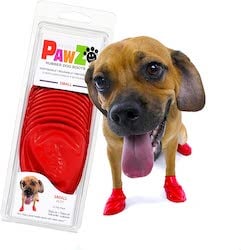
For some dogs, boots are an option, though they may not be practical for every muddy situation. Even without them, having a consistent paw cleaning routine when you come home can be enough. For muddy adventures, I like the PawZ booties, since I can just peel them off and toss them in the trash. If your dog wears regular dog boots, then you'll need to clean and dry them thoroughly between uses.
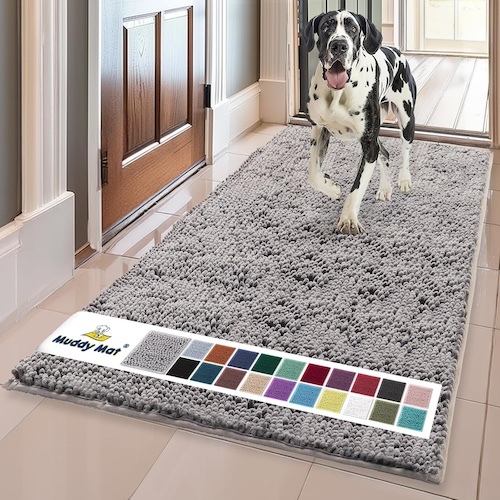
If wearing boots isn't your dog's thing, then invest in a good dog mat at your entryway to absorb the initial muck and grime as they walk in. I like this Muddy Paws option because they have so many sizes (including extra large) and it's proven very absorbent for my two Corgis after they've been playing in the yard. It works much better than a regular towel and can be tossed in the washing machine when needed.
Mud itself isn't the issue, it's what's living in the mud. Letting your dog enjoy the outdoors is very important for their well-being. But bringing the outdoors inside without a quick clean-up can expose both your dog and your family to unnecessary risks. A simple routine of rinsing, cleaning, and drying your dog's paws helps protect their health, keeps your home cleaner, and reduces the spread of germs.