
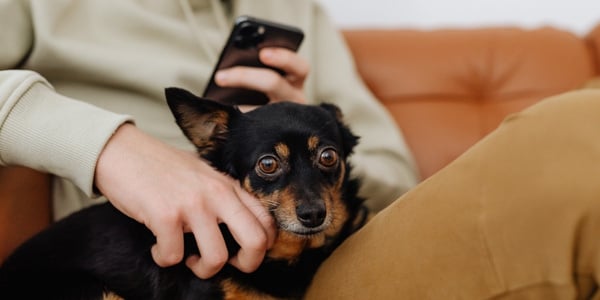
 If your dog growls, snaps, flinches, or pulls away when you try to touch them, it can feel sudden and scary. Sometimes this is fear, sometimes it’s handling sensitivity, and very often it’s connected to pain or physical discomfort.
You might be thinking, "My dog has never done this before. Did I do something wrong? Is this aggression? What am I supposed to do now?"
First, know that you're not alone. Handling sensitivity is more common than many dog owners realize, and it doesn’t mean you’ve failed your dog. In many cases, it means your dog is trying to communicate something important: “That hurts,” or “I’m scared it’s going to hurt.”
When a dog is uncomfortable, their tolerance gets shorter. Their reactions can get bigger. Even gentle dogs can bite if they feel trapped, startled, or painful. The good news is that there are safe, simple steps you can take right now to reduce stress, prevent bites, and help your dog feel better.
Growling is communication, not a character flaw. It’s valuable information, and it’s a warning sign we want to listen to, not punish.
Table of Contents

What Is Handling Sensitivity in Dogs?
Handling sensitivity means your dog is uncomfortable with being touched, restrained, moved, or handled, even during normal day-to-day activities. This can include things like putting on a harness, wiping paws, brushing, lifting, clipping nails, or checking ears.
Some dogs have been touchy about handling their whole lives. But many dogs develop handling sensitivity later on, especially when pain or discomfort is present.
Is This Aggression?
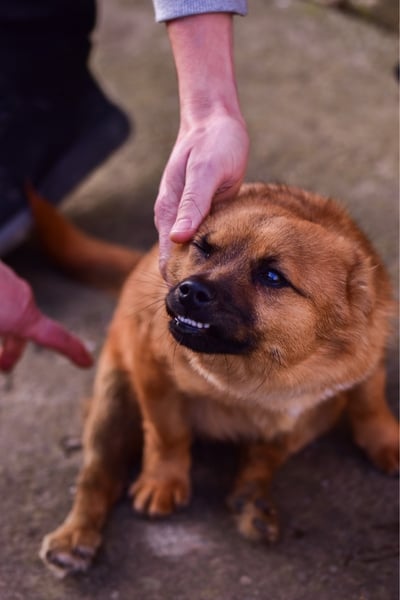
When a dog reacts during handling, it’s easy to label it as aggression. But in many cases, it’s defensive behavior caused by discomfort, fear, or both. A growl, snap, or air bite is often a dog’s attempt to make the painful or scary thing stop.
This matters because it changes what your dog needs most. Your dog doesn’t need you to be strict or dominant. They need you to get safer and more supportive, while you figure out what’s driving the discomfort.
Growling is communication, not a character flaw. It’s valuable information, and it’s a warning sign we want to listen to, not punish.
Common Signs of Pain-Related Handling Sensitivity
Pain doesn’t always look like limping or crying out. It can show up as subtle behavior changes, especially when touch is involved.
Here are some common signs that handling sensitivity may be pain-related:
-
Flinching or tensing when touched
-
Pulling away, avoiding hands, or hiding
-
Stiffening or “freezing” during handling
-
Growling, snapping, or trying to escape when restrained
-
Acting fine until a specific body part is touched (head, neck, back, hips, paws)
-
Becoming more reactive when resting, cornered, or woken up
-
Suddenly disliking things they used to tolerate (brushing, nail trims, being picked up)
If you’re noticing these changes, it’s worth taking seriously. Pain can be easy to miss in dogs, and it often gets worse when it goes unaddressed. Learn more about overall symptoms of pain in dogs and treatment options in "Is My Dog in Pain? How to Tell and What to Do"
 Why Pain Can Change How Your Dog Responds to Touch
Pain doesn’t just affect the body. It affects behavior, emotions, and stress tolerance, too. When something hurts, your dog’s body naturally protects it. That might look like pulling away, tensing up, or moving to avoid touch. Over time, many dogs also learn a pattern: touch = discomfort.
That learning can cause your dog to react sooner and more intensely the next time, especially if they feel surprised or trapped. Even if the pain comes and goes, your dog may still expect handling to hurt.
Pain can also lower a dog’s “coping ability.” Things that used to be mildly annoying may suddenly feel unbearable.
What Not to Do (Even If You’re Trying to Help)
When a dog becomes sensitive to handling, these common reactions can backfire:
-
Don’t punish growling. Growling is a warning sign. If it gets punished, many dogs skip the warning next time and go straight to snapping or biting.
-
Don’t push through it. Holding your dog still, grabbing harder, or forcing handling can increase fear and make future handling harder.
-
Don’t repeatedly test the sore spot. Your dog doesn’t need to prove their pain for it to be real, and repeated poking can make handling sensitivity escalate quickly.
-
Don’t assume it’s dominance, attitude, or stubbornness. Pain, anxiety, and stress explain far more than “bad behavior” does.
What to Do Instead (Comfort + Safety First)
The goal right now is simple: Reduce discomfort. Prevent conflict. Protect trust.
Reduce Handling Triggers
Give your dog a break while you figure out what’s going on. Your goal is to have fewer uncomfortable moments and fewer chances for your dog to feel like they need to defend themselves.
That might mean:
-
Avoiding nail trims, brushing, or baths for now.
-
Avoiding lifting your dog unless it’s necessary.
-
Using ramps or dog steps for the car, couch, or bed if jumping seems uncomfortable.
-
Keeping walks shorter and calmer if your dog seems sore.
-
Avoiding hugs, leaning over your dog, or reaching toward their collar.
Switch to "Hands Off" When Possible
A surprising number of bites happen during totally normal moments, like grabbing a collar or trying to pull a dog away from something. Small changes can reduce risk immediately.
Instead, try:
-
Calling your dog to you rather than walking up and reaching
-
Using treats to guide movement (“follow me”)
-
Teaching a cue like “touch” (nose-to-hand) to help with cooperation
-
Using a harness or leash to guide gently (not dragging or yanking)
-
Tossing a treat away to create space instead of physically moving your dog
Manage the Environment (especially if there are children in the home)
If your dog is uncomfortable, they need more control over their space, not less.
Set up a safe space, such as a crate with the door open, a dog bed behind a baby gate, or a quiet room where your dog can rest undisturbed. The goal isn’t to isolate your dog; it’s to prevent situations where your dog feels trapped or surprised.
Household safety rules to start today:
-
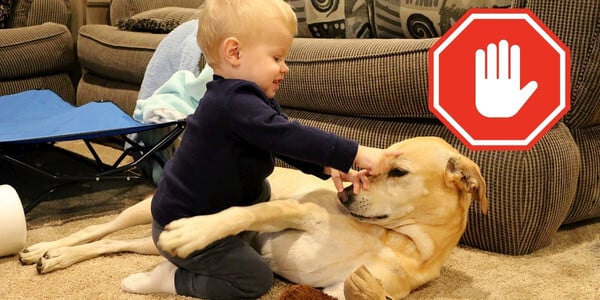
No hugging, climbing on, or face-to-face contact
-
No pulling your dog off furniture or out from under a table
-
No reaching into your dog’s bed or crate
-
No waking a sleeping dog by touching them
-
Adults handle leash clipping, harnessing, wiping paws, and medications
-
Supervise all kid-dog interactions closely, or separate when you can’t
These aren’t “overly cautious” rules. They’re smart bite prevention.
Use Consent Tests to Rebuild Communication and Trust
When your dog is sensitive to touch, we want handling to feel predictable and safe.
Try this simple consent-based approach for petting and interactions:
Step 1: Ask for permission. Pause, let your dog approach, and keep your hands relaxed.
Step 2: Touch briefly for up to three seconds, then stop and remove your hands.
Step 3: If your dog moves away, stiffens, or looks uncomfortable, stop immediately. That is your dog communicating. Listening builds trust. If your dog asks for more interaction by moving into your hands again or leaning into you, do another few seconds of interaction before checking again.
Step 4: Keep sessions short and relaxed, following your dog's lead.
Here's a video showing a consent test in action:
What About Grooming and Vet Visits?
If your dog is reactive during grooming or medical handling, focus on safety first. It’s okay to pause non-urgent handling while you work with your veterinarian on pain management and a plan.
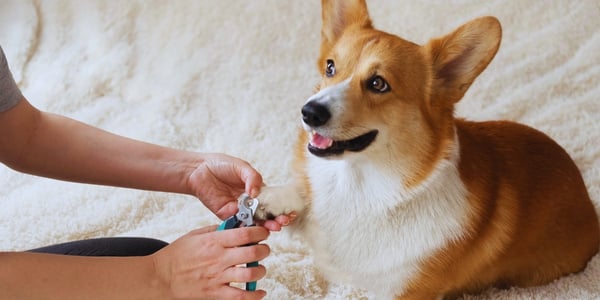
Many dogs benefit from cooperative care, which is a training approach that teaches dogs to actively participate in handling instead of being physically restrained through it.
Cooperative care often includes things like:
-
Teaching your dog to offer a paw, chin rest, or “station” on a mat
-
Working in tiny steps of touch, handling, or husbandry tasks, and rewarding calm cooperation
-
Ending the session early if your dog is stressed
-
Building trust over time rather than forcing progress in one day
- Training your dog to wear a basket muzzle
For dogs who are already snapping or biting during handling, this can be a game-changer, especially when pain is treated at the same time. I recommend connecting with a groomer and/or veterinarian who is Fear Free Certified, as they can work with you and your dog to practice cooperative care as much as possible.
Speaking with your veterinarian about dog anxiety medications may also be beneficial. In extreme cases, your veterinarian may need to sedate your dog for veterinary care or for grooming.
When to Contact Your Veterinarian
If your dog is suddenly more sensitive to touch, it’s worth checking in with your veterinarian, even if the change seems mild.
Reach out soon if:
-
Handling sensitivity started suddenly
-
It’s getting worse over time
-
Your dog is avoiding normal daily activities
-
Your dog reacts strongly around the head, neck, back, hips, or paws
-
Your dog has snapped or tried to bite during handling
If you can do so safely, take a short video of the behavior to share with your veterinary team. It can be extremely helpful because dogs will often hide their pain even more than usual when at the vet clinic.
Take This Quiz to See if Your Dog is in Pain
Not sure if what you're seeing could be related to pain? Our Dog Pain Quiz can help you take a closer look. It walks you through subtle changes in behavior, mobility, and daily habits that sometimes signal discomfort in dogs. Your results can also be helpful to share with your veterinarian when discussing your dog's comfort and care.
What Progress Can Look Like
With the right medical support and a calmer handling routine, many dogs improve faster than owners expect.
For some dogs, the biggest change is simply having fewer painful moments and more predictable interactions. For others, rebuilding comfort with touch takes time and a step-by-step plan. Either way, early support can protect your dog’s comfort and prevent handling sensitivity from escalating into more serious fear or defensive behavior.