
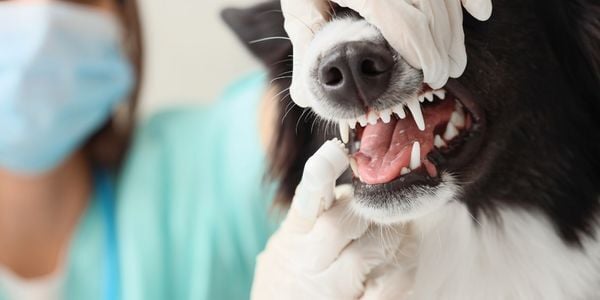
 Dental disease is one of the most common health issues affecting dogs, yet dental pain often goes unnoticed. Unlike a limp or a sore spot you can see, pain in the mouth can be easy to miss. Many dogs continue eating, playing, and acting relatively normal even when their teeth or gums hurt.
Because dental pain can significantly affect a dog’s comfort, behavior, and overall health, it is an important piece of the bigger pain picture. Let's look at how dental pain shows up in dogs, what signs to monitor, how you can support your dog at home, and when it is time to involve your veterinarian.
Table of Contents

Why Dental Pain Is Often Missed
Dogs are remarkably good at hiding pain. Dental pain usually develops gradually, starting with gum inflammation or plaque buildup and progressing to infection, loose teeth, or tooth root abscesses. Because this pain increases slowly over time, many dogs adjust their behavior in subtle ways that can be mistaken for aging, pickiness about food and treats, or personality changes.
Dental disease is not just a mouth problem. Bacteria from infected gums and teeth can enter the bloodstream and affect other organs, including the heart, liver, and kidneys. Addressing dental pain early can improve both quality of life and long-term health.
For a deeper look at how dental disease develops and why professional care matters, see our article on dog dental health, cleanings, and extractions.
Common Signs of Dental Pain in Dogs
Dental pain does not always look dramatic. Many dogs never cry or paw at their mouth. Instead, the signs tend to be subtle and behavior-based.
Some common signs include:
- Bad breath that is persistent or worsening
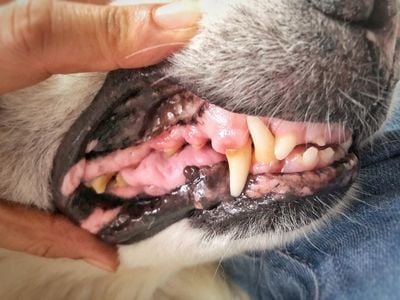
- Red, swollen, or bleeding gums
- Yellow or brown buildup on the teeth
- Dropping food while eating or chewing on one side of the mouth
- Eating more slowly or walking away from food
- Preference for soft food or avoiding hard kibble, chews, or toys
- Pawing at the mouth or rubbing the face on furniture or the floor
- Head shyness or discomfort when the muzzle is touched
- Increased irritability, withdrawal, or changes in social behavior
- Excessive drooling or blood-tinged saliva
In some cases, dental pain can also contribute to broader pain-related behaviors, such as reduced activity, restlessness, or changes in sleep.
How Dental Pain Can Affect Behavior
Pain in the mouth can make everyday interactions uncomfortable. Dogs with dental pain may resist having their collar put on, shy away from face handling, or react defensively when someone reaches toward their head. This can be especially important in households with children or during grooming and veterinary visits.
You may notice that your dog isn't interested in taking treats during training, which might not just be them being "picky," but indicate that their mouth hurts. Dogs may also seem less playful or more easily frustrated. These changes are not behavior problems in isolation. They are often signs that something hurts.

Supporting a Dog With Possible Dental Pain at Home
Care at home can help support your dog’s comfort, but it should not replace veterinary evaluation when dental disease is suspected.
Some helpful steps include:
- Offer softer food if chewing seems uncomfortable. This may include canned food or kibble softened with warm water, if appropriate for your dog.
- Avoid hard chews, bones, or toys that require intense chewing until dental pain has been ruled out or treated.
- Observe eating closely. Take note of changes in chewing, food preference, or dropped food.
- Practice gentle handling around the head and mouth. Do not force your dog to allow mouth checks if they are uncomfortable.
If your dog is already comfortable with tooth brushing, continuing gentle brushing may help slow plaque buildup. If brushing is new or your dog resists it, wait until after a veterinary exam so pain isn't accidentally made worse.
You can learn how to brush your dog's teeth here.
Do not give human pain medications unless specifically directed by your veterinarian, as many are unsafe for dogs.
When to See the Veterinarian
 Any signs of dental pain warrant a veterinary exam. This is especially important if you notice:
- Bleeding gums or obvious infection
- Facial swelling
- A sudden change in eating behavior
- Teeth that appear loose or broken
- Persistent bad breath
- Behavior changes that suggest pain or irritability
A full dental evaluation requires anesthesia so the veterinarian can safely and thoroughly examine below the gumline and take dental X-rays. While anesthesia can sound concerning, it is the standard of care for accurate diagnosis and effective treatment of dental disease.
Take This Quiz to See if Your Dog is in Pain
Not sure if what you're seeing could be related to pain? Our Dog Pain Quiz can help you take a closer look. It walks you through subtle changes in behavior, mobility, and daily habits that sometimes signal discomfort in dogs. Your results can also be helpful to share with your veterinarian when discussing your dog's comfort and care.
Dental pain is one of several common sources of chronic discomfort in dogs. Because it can overlap with other pain conditions, such as arthritis or gastrointestinal discomfort, it is often part of a larger puzzle.
If you are using a pain screening tool or monitoring changes in your dog’s comfort, dental health is an important factor to keep in mind. Addressing dental pain can sometimes lead to noticeable improvements in energy, mood, and overall well-being.
If you ever feel unsure about what you are seeing, it is always appropriate to reach out to your veterinary team. Early intervention can prevent pain from becoming severe and improve your dog’s quality of life.