
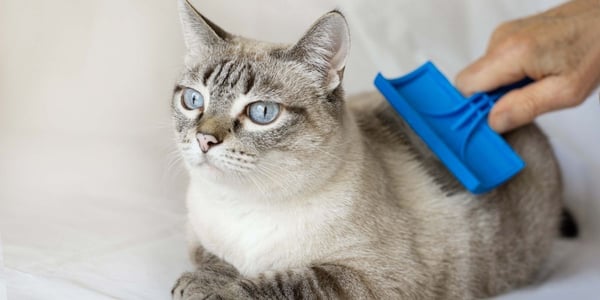
I don’t know about you, but I kinda like being pampered at the hairdresser's. There is something about just relaxing in the chair as they wash and brush your hair. I think the same goes for our cats.
Just because your cat already grooms themselves, it doesn’t mean you can’t help out, and in doing so, you may also detect issues affecting their skin and coat that need to be addressed.
While it likely isn’t something you need to do all the time, doing so comes with a ton of benefits — for both of you.
Here are just a few of the reasons why you should brush your cat regularly.
Fewer Hairballs
Hairballs can be a normal part of being a cat (although even just a few hairballs a month can mean there’s a problem). The more you brush your cat and help them remove excess fur, the less likely you are to find an unpleasant, gooey surprise underfoot.
Less Shedding
Brushing your cat regularly — say about once per day or once every other day — will reduce the amount of excess hair they carry. And that means less hair falling from your cat onto your floor, rubbing off on your furniture, clogging up your vacuum and furnace, and turning your clothes into fur coats.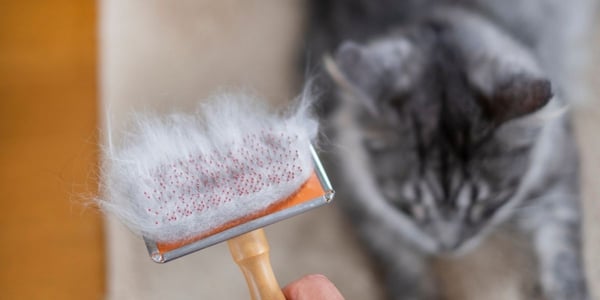
Flea Spotting
Regular brushings can be a great way to spot fleas or “flea dirt” (the nicer name for flea poop) in your cat’s fur, so you can know if the little buggers are trying to set up camp. Of course, you should always keep your cat on a good, vet-recommended flea and parasite preventative to keep fleas at bay and stave off health problems like flea allergy dermatitis, anemia, or even heartworms.
Pain-Free Grooming
If you have an older cat, or a cat with arthritis or other mobility issues that make it difficult to groom, they will be immensely grateful when you lend a hand in the grooming/brushing department.
Identify Issues
When cats, especially seniors, develop certain health issues, their skin and coat can be affected in a negative way, which can lead to matting. Cats with hormonal issues, such as hyperthyroidism or diabetes, or metabolic conditions, such as kidney or liver disease, release toxins from their body to their skin. This can alter the chemistry of the skin’s oils (sebum), making it less effective, which can result in inflammation and irritation to the skin as well as hair damage and loss. This combination leads to matted fur. Early detection, via assisted grooming, means your cat can have issues treated and managed before they impact their quality of life.
Better Bonding
If you have more than one cat, you will often notice them grooming each other. Cats do this as a way to build mutual trust and show affection. By brushing/grooming your cat, you can help build that same trust in you and show even more affection than you already do.
Find the Best Brush for Your Cat
Brushes for Most Cats
It’s fine to groom most cats with a dual-sided brush that has a softer “bristle” side, and a finer “pin brush” side for tangles and mats.
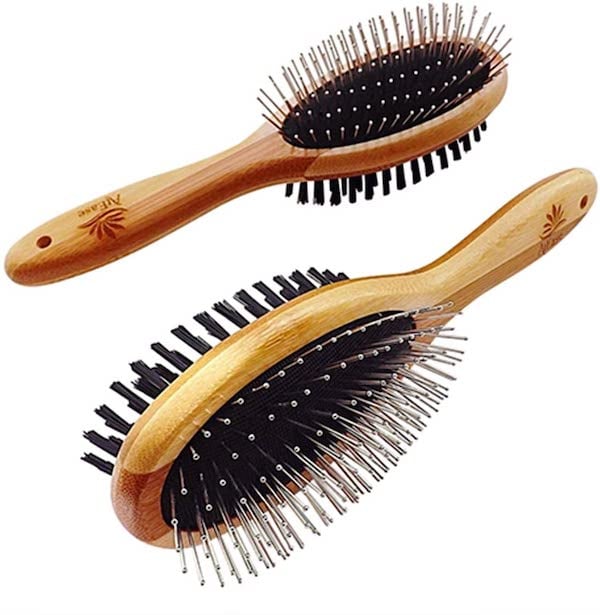
If you have a particularly fluffy cat, first use the pin brush side of the comb to untangle any large clumps. Next, give your cat a thorough brushing with the bristle side to remove excess hair and get their coat looking shiny and healthy.
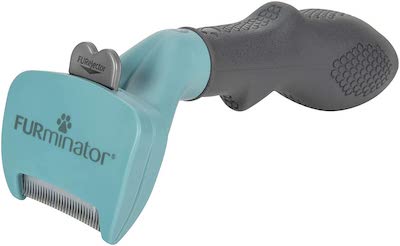
This deshedding tool, which comes in two sizes, helps remove loose hair and undercoat. I personally love this tool, and so did my clients.
Brushes for Long-Hairs
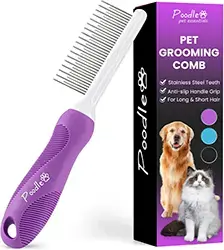
If you have a long-haired cat who doesn’t do well with a dual-sided brush, try a moulting or flea comb to tackle those long locks.
Brushes for Sensitive Cats
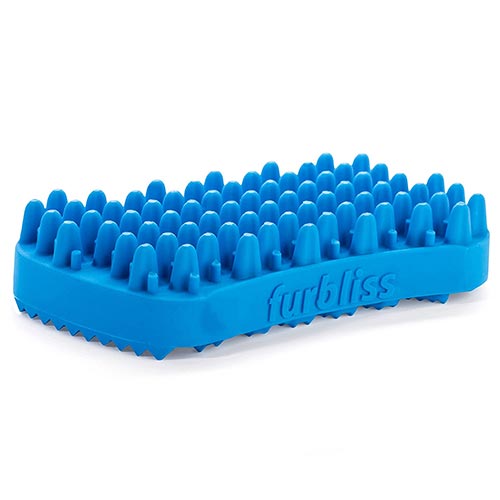
Or, if your cat is somewhat sensitive and doesn’t like the feel of most brushes, try a softer rubber brush or even a grooming mitt.

How to Brush Your Cat
The good news is that most cats like being brushed and groomed. Even so, here’s how to acclimate them to the brushing routine:
Get Comfy
To start, make sure your cat is comfortable and receptive to being touched. Stroke their fur for a bit to make sure they’re not “in a mood.”
Note: Consider giving your cat a calming treat prior to starting to help them relax.
Move Slowly
Begin with gentle strokes of the brush. Start brushing the areas where your cat likes to be petted, which is most likely on the back, between their ears, or under the chin.
Venture Farther
As your cat becomes more receptive to the feel of being brushed, you can slowly make your way toward the more sensitive areas like the belly. If they try to bite or scratch you while grooming their belly, etc., don’t force the issue and go back to brushing where they’re most comfortable. Over time, and as you build trust, they will allow you to brush those areas that are typically a “no-fly zone.”
Reward
Finish each brushing session with a bit of play or a special treat so they start to associate being brushed with fun and food.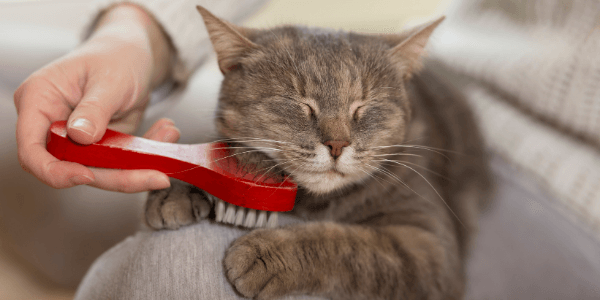
Since each cat is different, talk to your veterinarian or groomer if you’re having problems finding the right brush, or if your cat is not letting you groom them without a fight.
Electric Trimmer
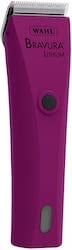
You might run into hair mats while brushing and grooming your cat. Rather than using scissors, which can be cumbersome and dangerous with a squirming cat, try grooming clippers to slowly and gently remove the mats that can't be easily brushed out.
This battery-powered Whal trimmer we recommend is perfect for pets. It trims even dense fur, and is made by a reputable company with experience making professional trimmers for groomers and veterinary practices.
How Bathing Helps Prevent Matting
In some cases, to help prevent matting, you may need to bathe your cat.
Bathing can help prevent or lessen matting by removing loose and dead hair, controlling excessive oils on your cat’s skin, helping remove dirt and debris that may cause the hairs to stick together, and it can help keep ‘hard-to-reach’ areas clean, especially for older cats or those with mobility issues.
Brushing your cat is easy and straightforward. However, bathing as well as skin/coat maintenance requires a bit more effort and work, but is totally worth it.
For cats that are healthy, the process of bathing and skin/coat maintenance is fairly simple. When bathing, be sure to use pet-safe shampoo that is hypoallergenic and soap-free. Note: Do not use human shampoos on cats, even baby shampoo.
- You want a hypoallergenic shampoo in order to protect your cat from having an allergic reaction to any fragrances or dyes.
- Soap-free shampoo prevents the skin and coat from having their natural oils stripped away. If the oils are stripped away regularly with bathing, your cat can develop dry skin and brittle hair, which can lead to irritation and itching.
For general, infrequent bathing of healthy cats, I like the following shampoos:
- Veterinary Formula Clinical Care Hypoallergenic Shampoo
- Dermalyte
- Earthbath, Hypoallergenic Cat Shampoo
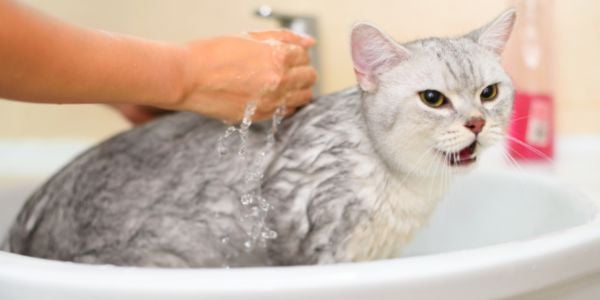
Bathing a Cat With Medical Issues
When it comes to bathing cats with medical issues that may have oily, dry, or irritated skin, the process is a bit more involved than wet, lather, rinse, and dry.
As mentioned earlier, cats with certain medical issues can produce excess oils. Therefore, it is recommended to use the condition – shampoo – condition method. If you don’t condition before and after shampooing, you risk stripping away the oils and increasing the risk of matting because the follicles are opened, causing the hairs to ‘barb’, which can lead to the hairs sticking to each other as well as becoming dehydrated.
When you apply a conditioner first, it helps break down the top layer of oils. Breaking them down allows the shampoo to easily and gently remove them. You want to use a hydrating conditioner, such as Virbac Epi-soothe Cream Rinse Conditioner, Davis Hypoallergenic Pet Crème Rinse, or EfaLyt Crème Rinse, that helps restore hydration and oil in the coat. By doing this, you will be hydrating the hair to prevent or lessen ‘barbing,’ and it helps soothe the inflammation in the skin.
Depending on the medical condition, your veterinarian may prescribe a medicated shampoo. Be sure to leave the lather on the hair as directed by your veterinarian before rinsing thoroughly and applying the second conditioning treatment.
More Bathing Tips for Matt-Free Coats
Once your cat has dried, use a boar-bristle brush to help redistribute the oils. Be sure to brush in the direction of the grain of the coat. If you prefer having a two-in-one brush for detangling and shining, this brush from Buddy System is great.
Some other important points when bathing your cat:
- Be sure to have all your supplies ready before
- Be sure the room isn’t cold or drafty.
- Be sure your cat is calm before starting. You can give them calming treats about 30 minutes to an hour before the bath.
- Use calming pheromone plug-ins in the room you will be bathing them in.
- Be patient, gentle, and move slowly to avoid startling or stressing your cat.
- Only use lukewarm water to bathe as this is gentler on your cat’s skin and coat and will make the whole process more pleasant. Water that is too hot or too cold can cause discomfort, stress, and even harm.
- Be sure to thoroughly rinse your cat’s hair to remove all shampoo residue.
- Wrapping them in a warm towel after a bath can be comforting.
- If you want to dry your cat’s hair with a hair dryer, be sure to use a low heat setting with the fan on low.
- Be sure to praise them with lots of love and treats after the whole process is done!
What to Do for Matts Beyond Brushing and Bathing
For cats that tend toward dry skin and hair, whether they have medical issues or not, you can try some of these options to help lessen the issue:
Leave-in conditioner: Leave-in conditioners help keep your cat’s skin hydrated and can help with dematting and detangling their hair.
- Skout's Honor Probiotic Pet Detangler Spray
- Soos Pets Deep Hydrating Leave-in Conditioner
- Zymox Leave-On Conditioner for Pets
- ZYMOX Advanced Enzymatic Leave-On Conditioner
- smith&burton Detangler Spray & Leave-in Conditioner
Supplements: To help your cat from the inside out, consider giving them skin support supplements.
- Bill’s Feline Optimum Skin & Coat
- Fera Pets fish Oil
- Pet Honesty Cat Skin & Cat Health Chews
- Zesty Paws Wild Alaskan Omege-3 Blend Pollock + Salmon Oil
- The Missing Link Feline Superfood Supplement Powder
- Probiotics – see our recommended supplements